Research library / Guides
What are research peptides? The RUO label, explained
What the RUO label means, where it comes from, and what it does not promise.
Research peptides are synthetic peptides sold for laboratory research, not for use in people. Suppliers label them “research use only” (RUO). Here is what that label means, where the wording comes from, what it does not tell you about quality, and how research-grade material is documented.

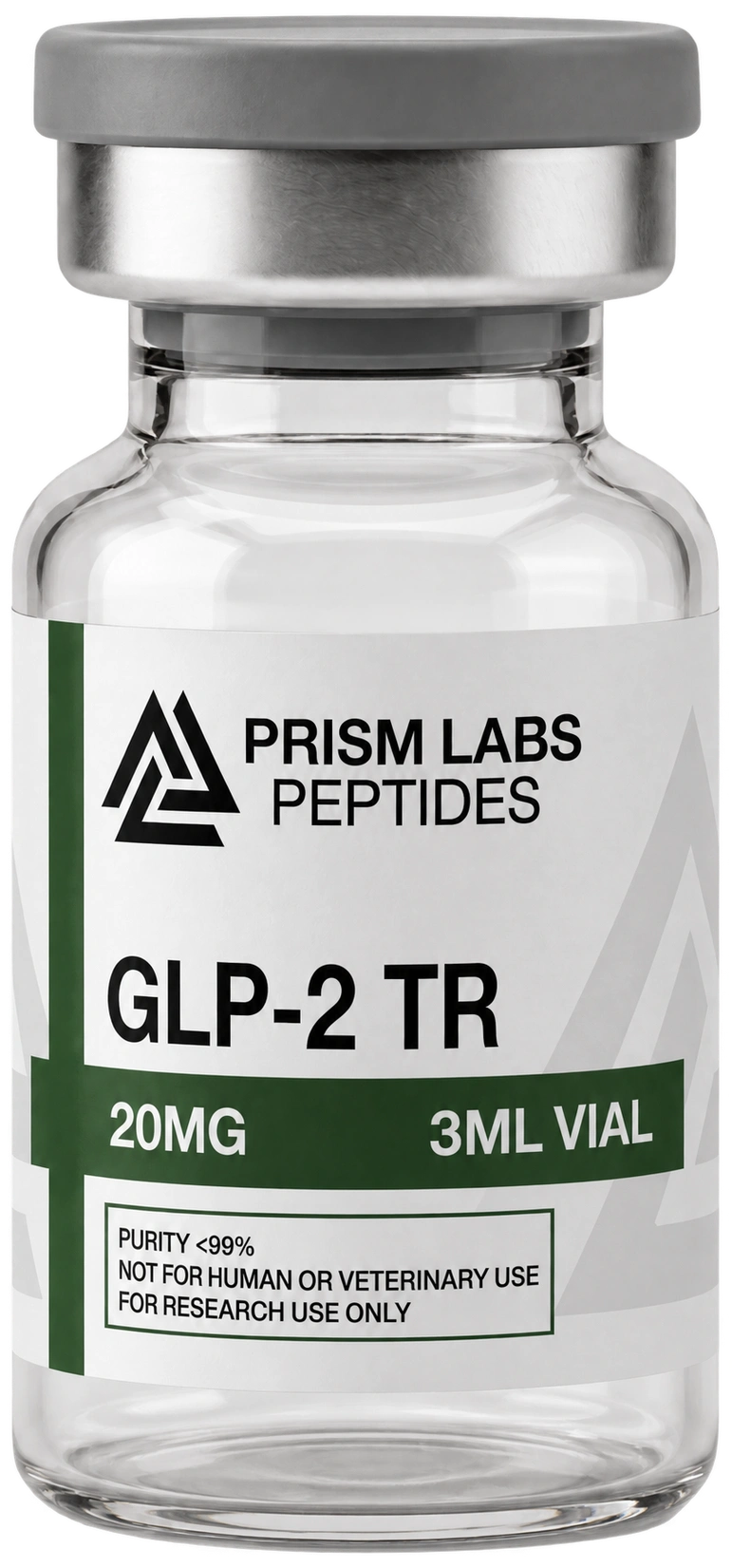

Side by side
| Detail | |||
|---|---|---|---|
| Format | Lyophilized vial | Lyophilized vial | Lyophilized vial |
| Listed sizes | 20mg · 30mg | 20mg · 40mg | 10mg · 20mg · 40mg |
| Price | $124.99 to $149.99 per vial | $69.99 to $99 per vial | $39.99 to $109.99 per vial |
| Availability | In stock | In stock | In stock |
| Reported purity | 99.43% | 99.14% | 99.12% |
| Latest batch report | October 26, 2026 · lot 497799 | October 26, 2026 · lot 837797 | October 26, 2026 · lot 368304 |
| Reference formula | C221H342N46O68 | C225H348N48O68 | C101H152N28O22S2 |
| Reference weight | 4731 g/mol | 4813 g/mol | 2174.6 g/mol |
| Reference sequence | — | — | H-MRWQEMGYIFYPRKLR-OH |
| Reference CAS number | — | — | 1627580-64-6 |
Catalog figures, current at page load. Published batch reports cover past lots and do not name the lot a new order ships with.
, and — how much does each cost?
: $124.99 to $149.99 per vial. : $69.99 to $99 per vial. : $39.99 to $109.99 per vial. Packs discount every vial in the order: 2 vials 5% off, 3 vials 10% off, 5 vials 14% off, 10 or more vials 18% off. Free standard shipping on orders over $125.
Where to buy , and
All are for sale direct from Prism Labs, USA made, with the batch Certificate of Analysis published on each product page. Orders placed before 4:30 PM CT ship the same day, seven days a week, when inventory is available.
, and — are they in stock?
: in stock. : in stock. : in stock. Each product page carries live availability.
01
What a peptide is
A peptide is a short chain of amino acids joined by peptide bonds, typically from two to about fifty residues; longer chains are usually called proteins. Many peptides occur naturally as hormones and signaling molecules.
Research peptides are made synthetically, most often by solid-phase peptide synthesis (SPPS), which builds the chain one amino acid at a time on a solid support.
Sources: [1] Journal of Pharmaceutical and Biomedical Analysis · 2014
02
What “research use only” means
In US regulation, the exact statement “For Research Use Only. Not for use in diagnostic procedures.” comes from 21 CFR 809.10, where it applies to in vitro diagnostic products in the laboratory research phase. FDA published guidance on distributing products labeled that way in 2013.
Peptide suppliers use the same wording to mean material sold for laboratory research: not a drug, not a dietary supplement, and not for human or veterinary use.
Sources: [2] eCFR · 21 CFR 809.10 · [3] FDA · Research Use Only guidance · 2013


03
What the label does not tell you
Three common misreadings:
- It is not a quality grade. “RUO” says nothing about purity, identity or content.
- It is not an approval. Research materials are not reviewed the way drugs are.
- It does not make a product safe for any use in people.
Quality comes from testing, lot by lot. A 2024 study that test-bought a prescription peptide from unlicensed online sellers found vials at 7.7% to 14.4% purity against a 99% label: a label alone proves nothing.
04
How research-grade quality is documented
Synthesis leaves related impurities, such as shortened or lengthened sequences and leftover protecting groups. A documented supplier tests each lot for:
- Identity, by mass spectrometry.
- Purity, by HPLC.
- Content: the measured amount, compared with the label.
How to read those results: how to read a peptide COA. How to judge a seller: where to buy peptides.
Sources: [1] Journal of Pharmaceutical and Biomedical Analysis · 2014
05
Research use at Prism Labs
Every Prism Labs product is sold for laboratory research use only, with a certificate of analysis for each lot. The research use only policy sets out purchaser responsibilities, and the research library covers each compound’s background and sources.
A little more clarity
Questions, answered
What are research peptides?
Synthetic peptides sold for laboratory research and labeled research use only. They are not drugs or supplements and are not for use in people.
What does RUO mean?
Research use only. In US regulation the wording comes from the labeling rule for in vitro diagnostic products; peptide suppliers use it to mean laboratory research material.
Are RUO peptides lower quality?
The label says nothing about quality either way. Quality is shown by lot-specific testing of identity, purity and content.
How are research peptides made?
Most are made by solid-phase peptide synthesis, which builds the chain one amino acid at a time.
Can research peptides be used in humans?
No. RUO material is sold for laboratory research only.
Follow the evidence
Sources & reading notes
Open the original record for its methods and limitations. The sources below do not certify the supplied product or its finished formulation.
- Journal of Pharmaceutical and Biomedical Analysis · 2014 ↗
Review of the impurities that arise in synthetic peptides.
- eCFR · 21 CFR 809.10 ↗
The US labeling rule that defines the “For Research Use Only” statement, written for in vitro diagnostic products.
- FDA · Research Use Only guidance · 2013 ↗
FDA guidance on distributing in vitro diagnostic products labeled Research Use Only.
- Journal of Medical Internet Research · 2024 ↗
Test purchases of a prescription peptide from unlicensed online sellers.
Prepared by Prism Labs from the linked source records and public product documentation. Research context only; not a preparation protocol or a claim about outcomes. Send a source correction.
Keep exploring
More from the research library.
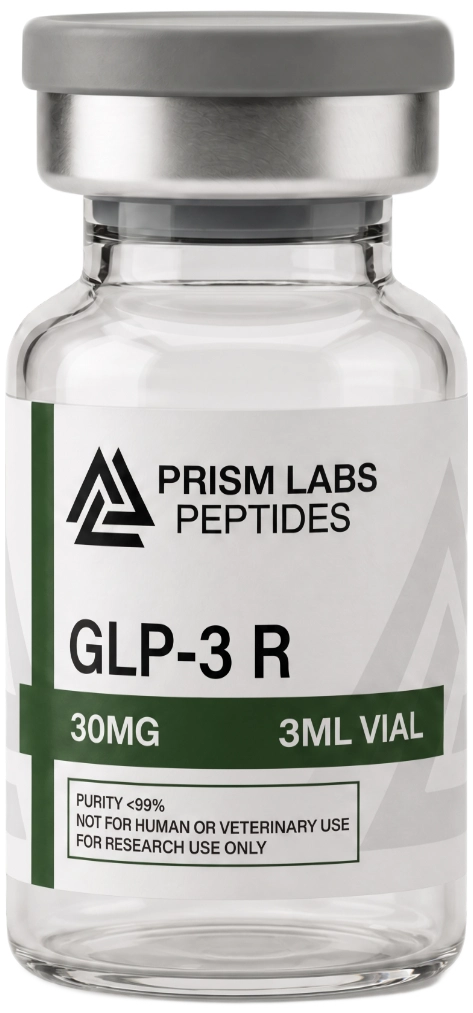
Where to buy peptides
Eight checks that separate a documented supplier from a risky one.
Read the article ↗GuidesHow to read a peptide COA
Three results, three different questions. Read them separately.
Read the article ↗Guides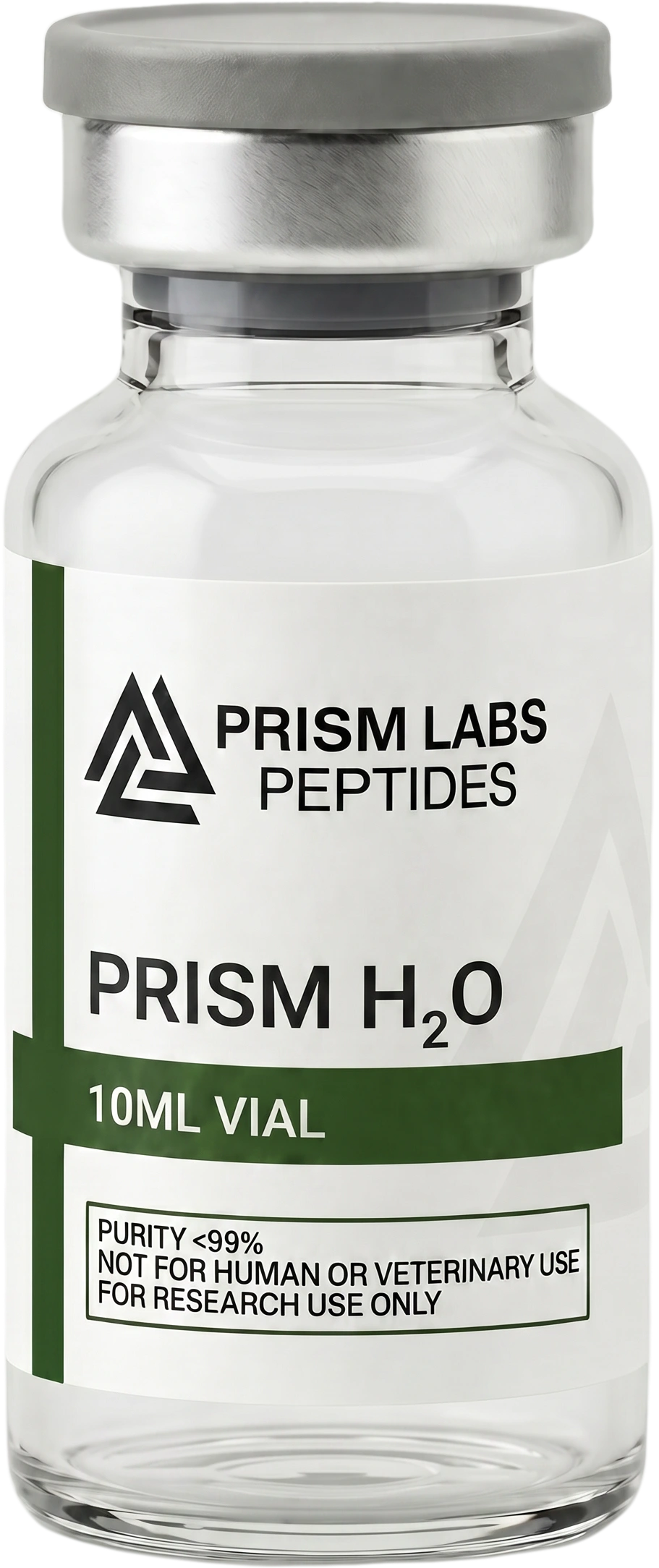
How to store peptides
What water, heat, light and repeated freezing do to a peptide, and how to limit each.
Read the article ↗