Research library / Guides
How to read a peptide COA
Three results, three different questions. Read them separately.
A peptide certificate of analysis (COA) answers three different questions: is it the right molecule, how pure is it, and how much is in the vial. Each is a separate result, measured a different way. Here is how to read each part, and how to match the report to the vial in your hand.

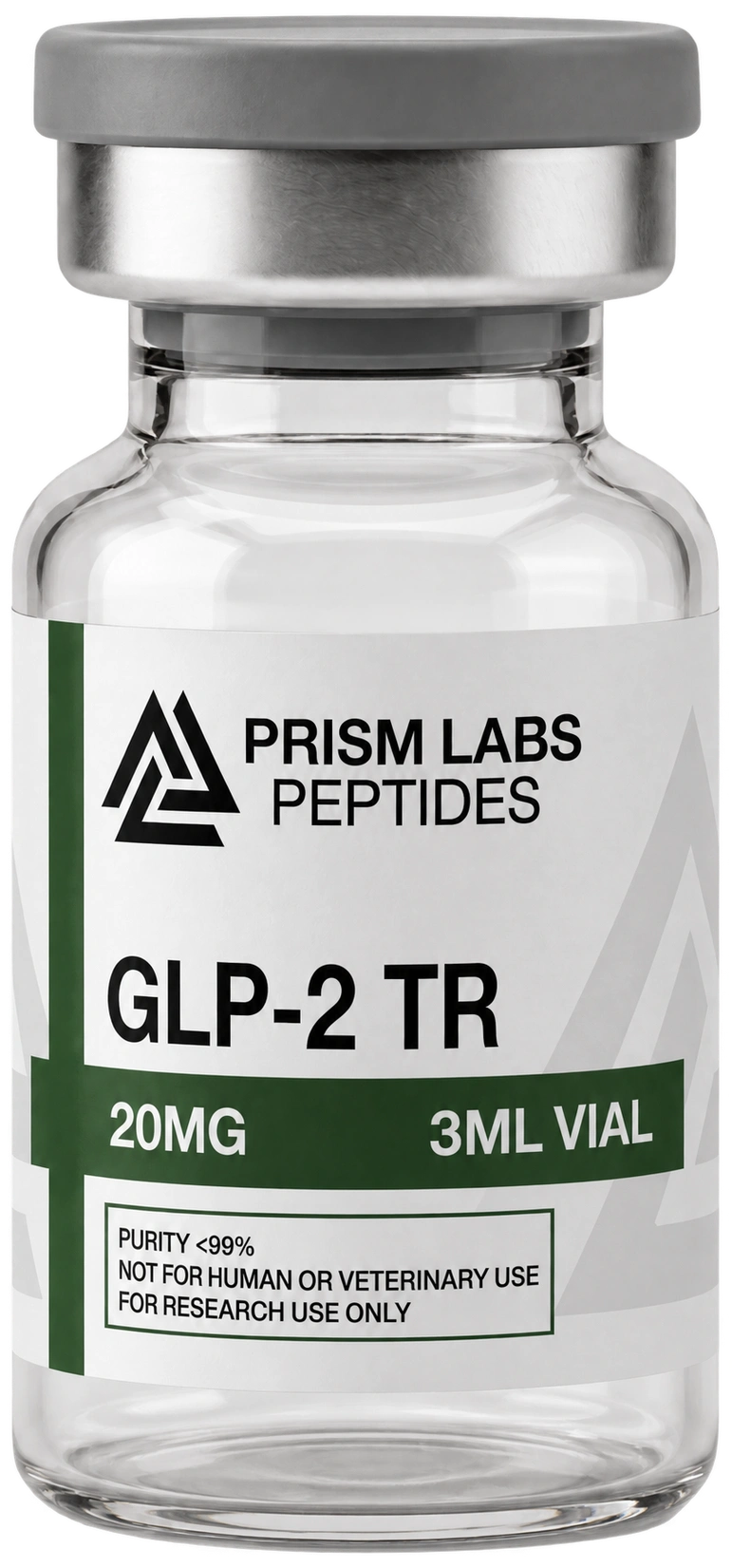

Side by side
| Detail | |||
|---|---|---|---|
| Format | Lyophilized vial | Lyophilized vial | Lyophilized vial |
| Listed sizes | 20mg · 30mg | 20mg · 40mg | 10mg · 20mg · 40mg |
| Price | $124.99 to $149.99 per vial | $69.99 to $99 per vial | $39.99 to $109.99 per vial |
| Availability | In stock | In stock | In stock |
| Reported purity | 99.43% | 99.14% | 99.12% |
| Latest batch report | October 26, 2026 · lot 497799 | October 26, 2026 · lot 837797 | October 26, 2026 · lot 368304 |
| Reference formula | C221H342N46O68 | C225H348N48O68 | C101H152N28O22S2 |
| Reference weight | 4731 g/mol | 4813 g/mol | 2174.6 g/mol |
| Reference sequence | — | — | H-MRWQEMGYIFYPRKLR-OH |
| Reference CAS number | — | — | 1627580-64-6 |
Catalog figures, current at page load. Published batch reports cover past lots and do not name the lot a new order ships with.
, and — how much does each cost?
: $124.99 to $149.99 per vial. : $69.99 to $99 per vial. : $39.99 to $109.99 per vial. Packs discount every vial in the order: 2 vials 5% off, 3 vials 10% off, 5 vials 14% off, 10 or more vials 18% off. Free standard shipping on orders over $125.
Where to buy , and
All are for sale direct from Prism Labs, USA made, with the batch Certificate of Analysis published on each product page. Orders placed before 4:30 PM CT ship the same day, seven days a week, when inventory is available.
, and — are they in stock?
: in stock. : in stock. : in stock. Each product page carries live availability.
01
Start with the header
The top of the report identifies what was tested:
- The product name and the lot (batch) number.
- The testing laboratory’s name, and whether it is independent of the seller.
- Test and report dates.
- A verification link or code, if the laboratory offers one.
Before anything else, confirm that the lot number matches the one printed on your vial. A COA for a different lot tells you nothing about yours.
02
Identity: is it the right molecule?
Identity is usually confirmed by mass spectrometry (MS), which measures the mass of the molecules in the sample. The report compares the observed mass with the theoretical mass calculated from the expected formula.
A match confirms that the expected molecule is present. It does not say how much of the sample that molecule makes up; that is the purity result.
Check the expected formula against a reference such as PubChem. Our compound articles list them, for example and .


03
Purity: how much of it is the right molecule?
Purity is usually measured by high-performance liquid chromatography (HPLC). The sample is separated into its components, which are detected by UV absorbance; purity is the main peak’s share of the total peak area, reported as a percentage.
The other peaks are related impurities. For synthetic peptides, a 2014 review lists sequences missing an amino acid (deletions) or carrying an extra one (insertions), incompletely removed protecting groups, and residues with flipped stereochemistry (racemization).
A 99% HPLC purity means 99% of the UV-detected material is the main peptide. It does not measure water, salts or anything else the detector cannot see.
Sources: [1] Journal of Pharmaceutical and Biomedical Analysis · 2014
04
Content: how much is actually in the vial?
Content, sometimes called quantity or net peptide content, is the amount of peptide measured in the vial, compared with the label. It is separate from purity: a sample can be very pure and still underfilled or overfilled.
Lyophilized peptides are usually salts. Counter-ions from purification, such as acetate or trifluoroacetate, stay with the peptide, and residual water adds weight too, so the powder weighs more than the peptide alone.
A 2024 test-purchase study shows why both numbers matter: vials from unlicensed sellers measured 7.7% to 14.4% purity while their content exceeded the label by 29% to 39%.
Sources: [2] Pharmaceutics · 2019 · [3] Journal of Medical Internet Research · 2024
05
Other results you may see
Some reports add further tests:
- Endotoxin, reported in endotoxin units per milligram (EU/mg).
- Sterility or microbial limits.
- Residual solvents and heavy metals.
- Appearance and solubility.
Not every COA includes these. When they appear, check the method and the limit each result is compared against.
06
Verify the report
Four steps, every time:
- Match the lot number on the vial to the report.
- Use the laboratory’s verification link, or contact the lab, to confirm the report is genuine.
- Check that the report date fits the lot you received.
- Keep the report with your lab records.
Prism Labs publishes every lot’s report on the Quality & Testing page. Choosing a supplier: where to buy peptides.
A little more clarity
Questions, answered
What does COA stand for?
Certificate of analysis: a laboratory report of the tests run on one specific lot of material.
What is the difference between purity and content?
Purity is the share of the measured material that is the intended peptide. Content is how much peptide is in the vial compared with the label.
What does HPLC purity mean?
The main peak’s share of the total UV-detected peak area in a chromatography run, reported as a percentage.
How is identity confirmed?
Usually by mass spectrometry: the observed mass is compared with the theoretical mass of the expected molecule.
Why does the powder weigh more than the peptide content?
Lyophilized peptides are salts. Counter-ions such as acetate, plus residual water, add weight beyond the peptide itself.
Follow the evidence
Sources & reading notes
Open the original record for its methods and limitations. The sources below do not certify the supplied product or its finished formulation.
- Journal of Pharmaceutical and Biomedical Analysis · 2014 ↗
Review of the impurities that arise in synthetic peptides.
- Pharmaceutics · 2019 ↗
How counter-ions such as acetate and trifluoroacetate stay with purified peptides.
- Journal of Medical Internet Research · 2024 ↗
Test purchases of a prescription peptide from unlicensed online sellers.
Prepared by Prism Labs from the linked source records and public product documentation. Research context only; not a preparation protocol or a claim about outcomes. Send a source correction.
Keep exploring
More from the research library.
Where to buy peptides
Eight checks that separate a documented supplier from a risky one.
Read the article ↗Guides
How to store peptides
What water, heat, light and repeated freezing do to a peptide, and how to limit each.
Read the article ↗GuidesHow to reconstitute peptides
Seven steps from dry powder to a clear, labeled vial, plus the concentration math.
Read the article ↗