Research library / Guides
Where to buy peptides: how to vet a research supplier
Eight checks that separate a documented supplier from a risky one.
Where to buy research peptides comes down to one question: can the seller prove what is in the vial? A 2024 study that test-bought a prescription peptide from unlicensed online sellers found vials far below their labeled purity. These eight checks separate a documented supplier from a risky one.

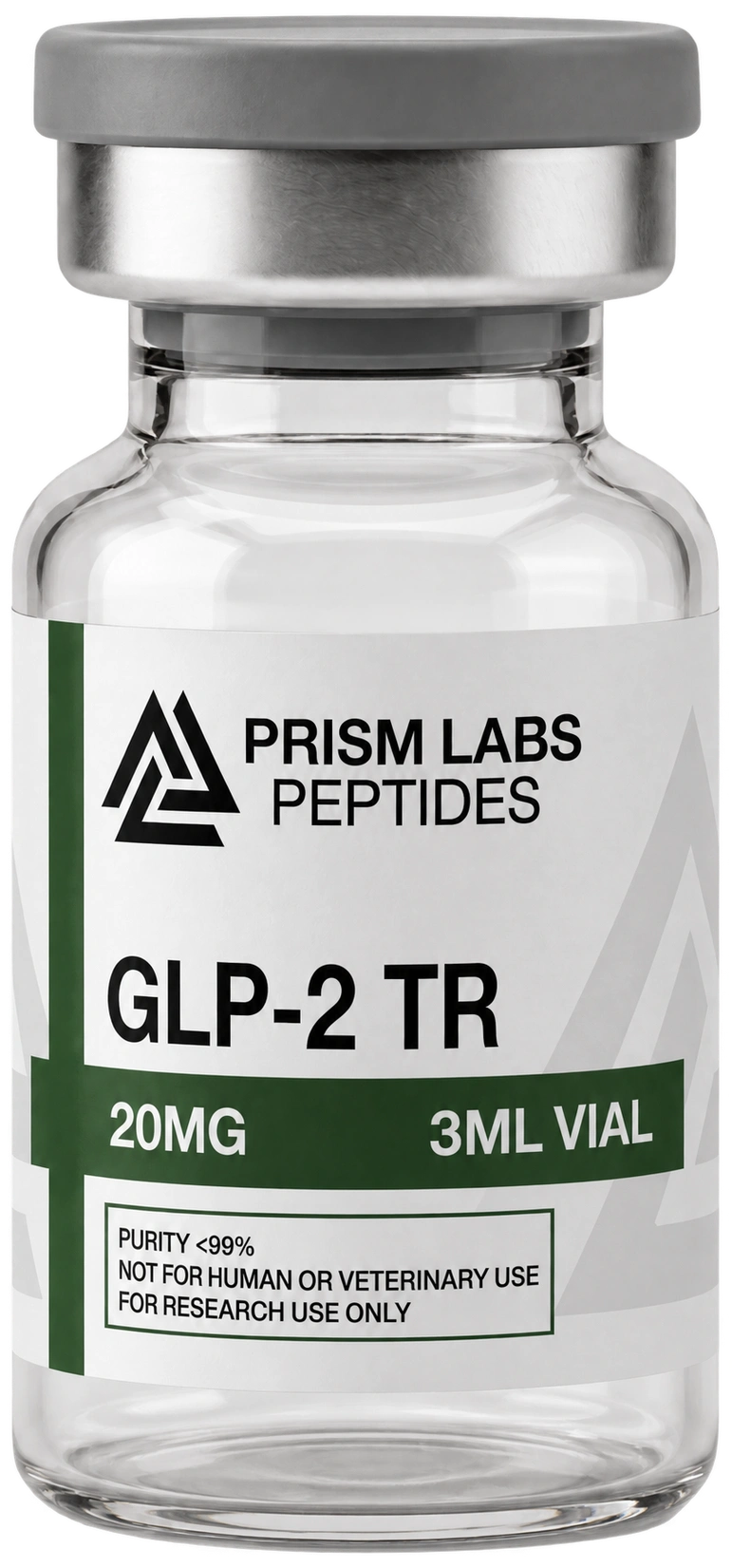

Side by side
| Detail | |||
|---|---|---|---|
| Format | Lyophilized vial | Lyophilized vial | Lyophilized vial |
| Listed sizes | 20mg · 30mg | 20mg · 40mg | 10mg · 20mg · 40mg |
| Price | $124.99 to $149.99 per vial | $69.99 to $99 per vial | $39.99 to $109.99 per vial |
| Availability | In stock | In stock | In stock |
| Reported purity | 99.43% | 99.14% | 99.12% |
| Latest batch report | October 26, 2026 · lot 497799 | October 26, 2026 · lot 837797 | October 26, 2026 · lot 368304 |
| Reference formula | C221H342N46O68 | C225H348N48O68 | C101H152N28O22S2 |
| Reference weight | 4731 g/mol | 4813 g/mol | 2174.6 g/mol |
| Reference sequence | — | — | H-MRWQEMGYIFYPRKLR-OH |
| Reference CAS number | — | — | 1627580-64-6 |
Catalog figures, current at page load. Published batch reports cover past lots and do not name the lot a new order ships with.
, and — how much does each cost?
: $124.99 to $149.99 per vial. : $69.99 to $99 per vial. : $39.99 to $109.99 per vial. Packs discount every vial in the order: 2 vials 5% off, 3 vials 10% off, 5 vials 14% off, 10 or more vials 18% off. Free standard shipping on orders over $125.
Where to buy , and
All are for sale direct from Prism Labs, USA made, with the batch Certificate of Analysis published on each product page. Orders placed before 4:30 PM CT ship the same day, seven days a week, when inventory is available.
, and — are they in stock?
: in stock. : in stock. : in stock. Each product page carries live availability.
01
What can go wrong
In a 2024 study, researchers ordered a widely prescribed peptide from six unlicensed online pharmacies. Three orders for prefilled pens never arrived. The three vials that did were judged probably substandard or falsified: measured purity was 7.7% to 14.4% against the 99% on their labels, content exceeded the label by 29% to 39%, and endotoxin was detected in every sample.
Research peptides are a different market, but the lesson carries over: a label is a claim, and only lot-specific testing backs it up. Synthetic peptides also carry their own impurity risks, from missing or extra amino acids to leftover protecting groups.
Sources: [1] Journal of Medical Internet Research · 2024 · [2] Journal of Pharmaceutical and Biomedical Analysis · 2014
02
Eight checks before you buy
A documented supplier passes all of these:
- A certificate of analysis (COA) for every lot, not one sample report reused across batches.
- Testing by an independent laboratory that is named on the report.
- Three results on each COA: identity by mass spectrometry, purity by HPLC, and measured content.
- A lot number on the vial that matches the report, and a way to verify the report with the lab.
- Clear research-use-only labeling, with no claims about treating or curing anything.
- Product specifications you can check: sequence, formula and molecular weight.
- Real contact details, published policies and a way to reach a person.
- Handling that protects the product: dry lyophilized powder in sealed vials.
Sources: [2] Journal of Pharmaceutical and Biomedical Analysis · 2014


03
How to read the COA you are shown
Identity answers whether the right molecule is present; purity answers how much of the measured material is that molecule; content answers how much is in the vial. They are separate results, and a high purity number says nothing about content.
Peptides are usually supplied as salts. Counter-ions from purification, such as acetate or trifluoroacetate, stay with the peptide and add weight, which is one reason measured content differs from the weight of the powder.
Full walkthrough: how to read a peptide COA.
Sources: [3] Pharmaceutics · 2019
04
Red flags
Walk away when you see:
- No COA, or the same COA shown for every product or every date.
- A COA without a laboratory name, a date or a lot number.
- Health claims, dosing advice or before-and-after promises on a research-use product.
- A lot number on your vial that does not appear on any report.
- No way to reach the company except a web form.
05
What “research use only” means
In US regulation, the statement “For Research Use Only. Not for use in diagnostic procedures.” is defined for in vitro diagnostic products in the laboratory research phase, and FDA has issued guidance on distributing products labeled that way. Peptide suppliers borrow the wording to mean material sold for laboratory research, not for use in people. Background: what are research peptides.
Sources: [4] eCFR · 21 CFR 809.10 · [5] FDA · Research Use Only guidance · 2013
06
How Prism Labs documents each lot
Every Prism Labs lot has its own certificate of analysis from an independent laboratory, with a verification link for the report. Find a lot’s report on the Quality & Testing page, or browse the catalog.
A little more clarity
Questions, answered
Where is the best place to buy research peptides?
From a supplier that documents each lot: an independent certificate of analysis showing identity, purity and content, matched to the lot number on the vial.
How do I know if a peptide supplier is legit?
Look for lot-specific COAs from a named independent lab, a lot number you can match and verify, clear research-use labeling, and contact details that reach a person.
What should a peptide COA include?
Identity by mass spectrometry, purity by HPLC, measured content, the lot number, the testing laboratory and a date.
Is a high purity percentage enough?
No. Purity is the share of the measured material that is the intended peptide. Content, the amount actually in the vial, is a separate result.
Why do peptides bought online vary so much?
Synthesis can leave related impurities, and some sellers skip testing. A 2024 test-purchase study of unlicensed sellers found vials at 7.7% to 14.4% purity against a 99% label.
Follow the evidence
Sources & reading notes
Open the original record for its methods and limitations. The sources below do not certify the supplied product or its finished formulation.
- Journal of Medical Internet Research · 2024 ↗
Test purchases of a prescription peptide from unlicensed online sellers.
- Journal of Pharmaceutical and Biomedical Analysis · 2014 ↗
Review of the impurities that arise in synthetic peptides.
- Pharmaceutics · 2019 ↗
How counter-ions such as acetate and trifluoroacetate stay with purified peptides.
- eCFR · 21 CFR 809.10 ↗
The US labeling rule that defines the “For Research Use Only” statement, written for in vitro diagnostic products.
- FDA · Research Use Only guidance · 2013 ↗
FDA guidance on distributing in vitro diagnostic products labeled Research Use Only.
Prepared by Prism Labs from the linked source records and public product documentation. Research context only; not a preparation protocol or a claim about outcomes. Send a source correction.
Keep exploring
More from the research library.
How to read a peptide COA
Three results, three different questions. Read them separately.
Read the article ↗Guides
How to store peptides
What water, heat, light and repeated freezing do to a peptide, and how to limit each.
Read the article ↗GuidesHow to reconstitute peptides
Seven steps from dry powder to a clear, labeled vial, plus the concentration math.
Read the article ↗