Research library / Comparisons
vs : what is the difference?
Two blends that share three peptides. One extra ingredient makes the difference.
and are research blends that share three peptides: , and . adds a fourth, . That one ingredient, plus the vial size, is the whole difference.
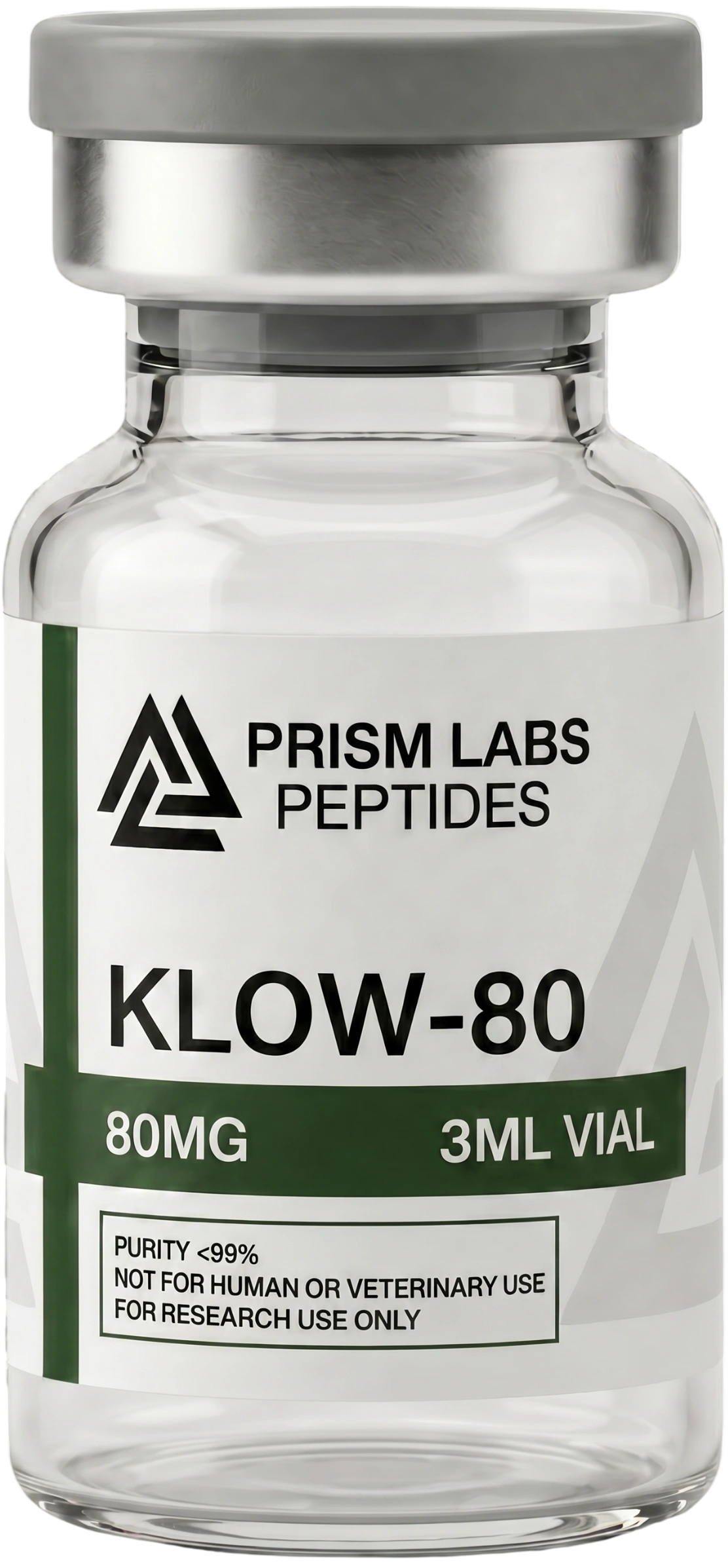
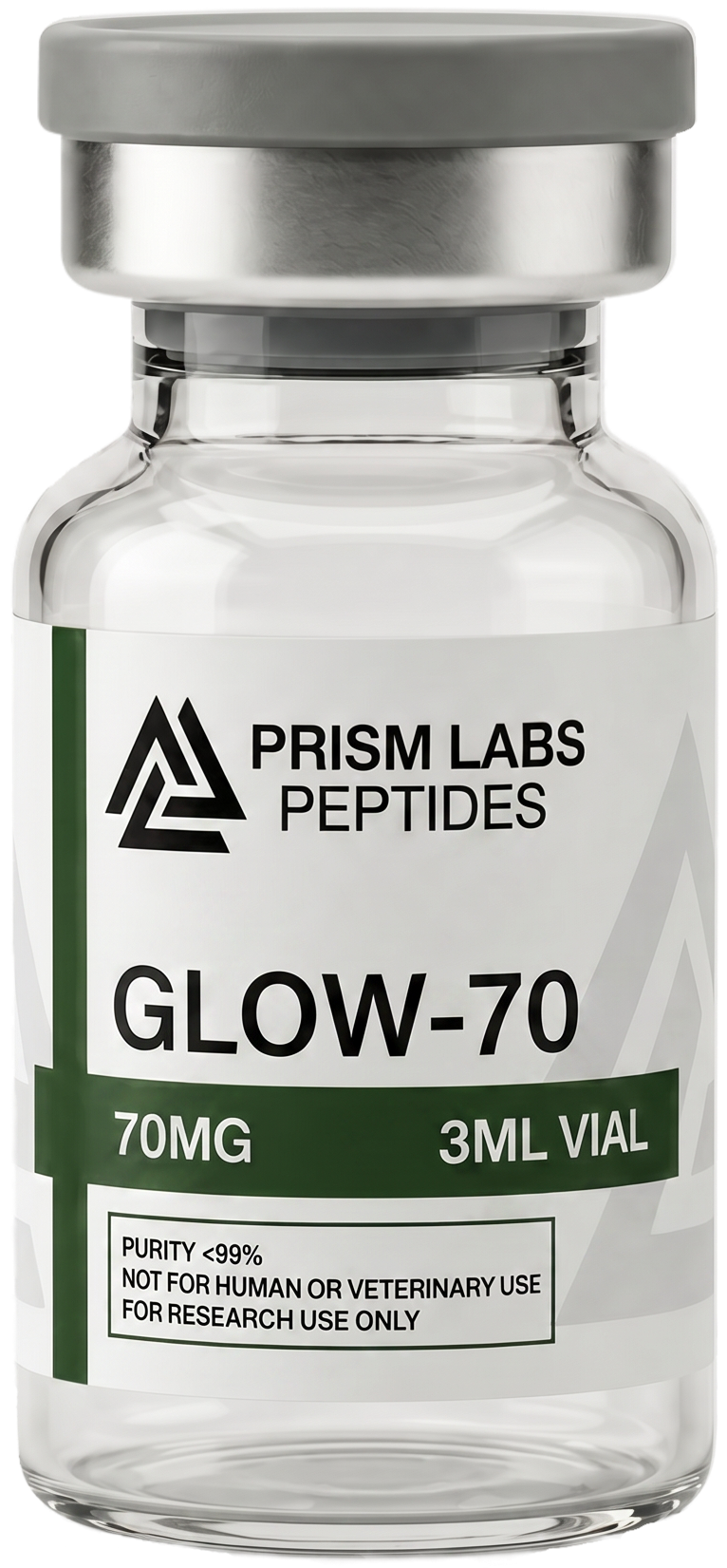
Side by side
| Detail | ||
|---|---|---|
| Format | Lyophilized vial | Lyophilized vial |
| Listed sizes | 80mg | 70mg |
| Price | $94.99 per vial | $84.99 per vial |
| Availability | In stock | In stock |
| Reported purity | 99.86% | 99.81% |
| Latest batch report | October 26, 2026 · lot 279853 | October 26, 2026 · lot 324245 |
| Reference formula | Blend — no single formula | Blend — no single formula |
Catalog figures, current at page load. Published batch reports cover past lots and do not name the lot a new order ships with.
and — how much does each cost?
: $94.99 per vial. : $84.99 per vial. Packs discount every vial in the order: 2 vials 5% off, 3 vials 10% off, 5 vials 14% off, 10 or more vials 18% off. Free standard shipping on orders over $125.
Where to buy and
Both are for sale direct from Prism Labs, USA made, with the batch Certificate of Analysis published on each product page. Orders placed before 4:30 PM CT ship the same day, seven days a week, when inventory is available.
and — are they in stock?
: in stock. : in stock. Each product page carries live availability.
01
At a glance
Side by side:
- : , and in a 70 mg lyophilized vial.
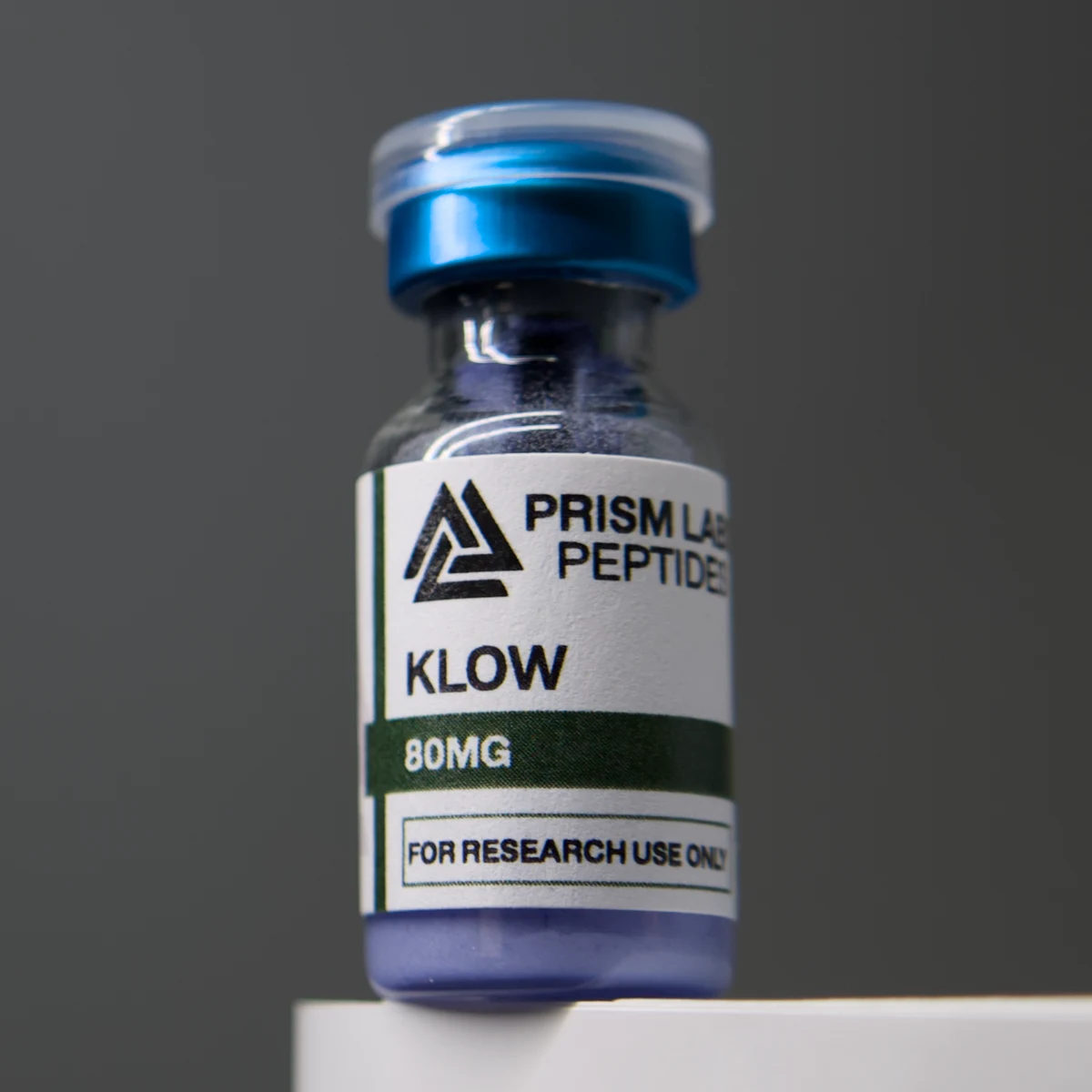
- : the same three plus , in an 80 mg lyophilized vial.
- Both: no single formula, because each is a blend. Each lot has its own COA that reports the blend.

03
The difference:
is lysine–proline–valine, the last three amino acids of α-MSH. Papers describe it as the smallest α-MSH sequence with anti-inflammatory activity in lab models, and it has been studied in mouse models of intestinal inflammation since 2008.
Its full profile: What is peptide?
Sources: [4] Journal of Pharmacology and Experimental Therapeutics · 2003 · [5] Gastroenterology · 2008
04
How to compare them
No study cited here tested either finished blend. Each paper describes one component on its own, so the literature lines up component by component.
The practical questions are whether a protocol calls for the fourth component, and which vial size fits it. For concentration math, divide the vial’s content by the volume of water added, or use the reconstitution calculator.
05
Checking either blend
Read identity, purity and measured content separately on the lot’s COA, and match the lot number to your vial. Step by step: how to read a peptide COA.
Full profiles: What is peptide? and What is peptide?
A little more clarity
Questions, answered
What is the difference between and ?
contains the three peptides in plus , and comes in an 80 mg vial instead of 70 mg.
What is in ?
, and , in one 70 mg vial.
What is in ?
, , and , in one 80 mg vial.
Is stronger than ?
They differ in composition, not strength: one has a fourth peptide and 10 mg more total content. No study has compared the finished blends.
Are they for human use?
No. Prism Labs sells both blends for laboratory research use only.
Follow the evidence
Sources & reading notes
Open the original record for its methods and limitations. The sources below do not certify the supplied product or its finished formulation.
- Nature New Biology · 1973 ↗
Original report of the copper-binding tripeptide in human plasma.
- Journal of Physiology (Paris) · 1993 ↗
The gastric-juice protein behind the 15-residue fragment.
- PNAS · 1981 ↗
Complete sequence of thymosin beta-4.
- Journal of Pharmacology and Experimental Therapeutics · 2003 ↗
Separates the effects of the α-MSH core and its C-terminal tripeptide.
- Gastroenterology · 2008 ↗
Tripeptide uptake through PepT1; mouse and cell models.
Prepared by Prism Labs from the linked source records and public product documentation. Research context only; not a preparation protocol or a claim about outcomes. Send a source correction.
Keep exploring
More from the research library.

vs
Two seven-residue peptides with the same tail and different parents.
Read the article ↗Comparisons
vs
Two unrelated peptides that keep turning up in the same studies.
Read the article ↗Comparisons
vs
One keeps the whole hormone and protects its start. The other keeps only the first 29 amino acids.
Read the article ↗